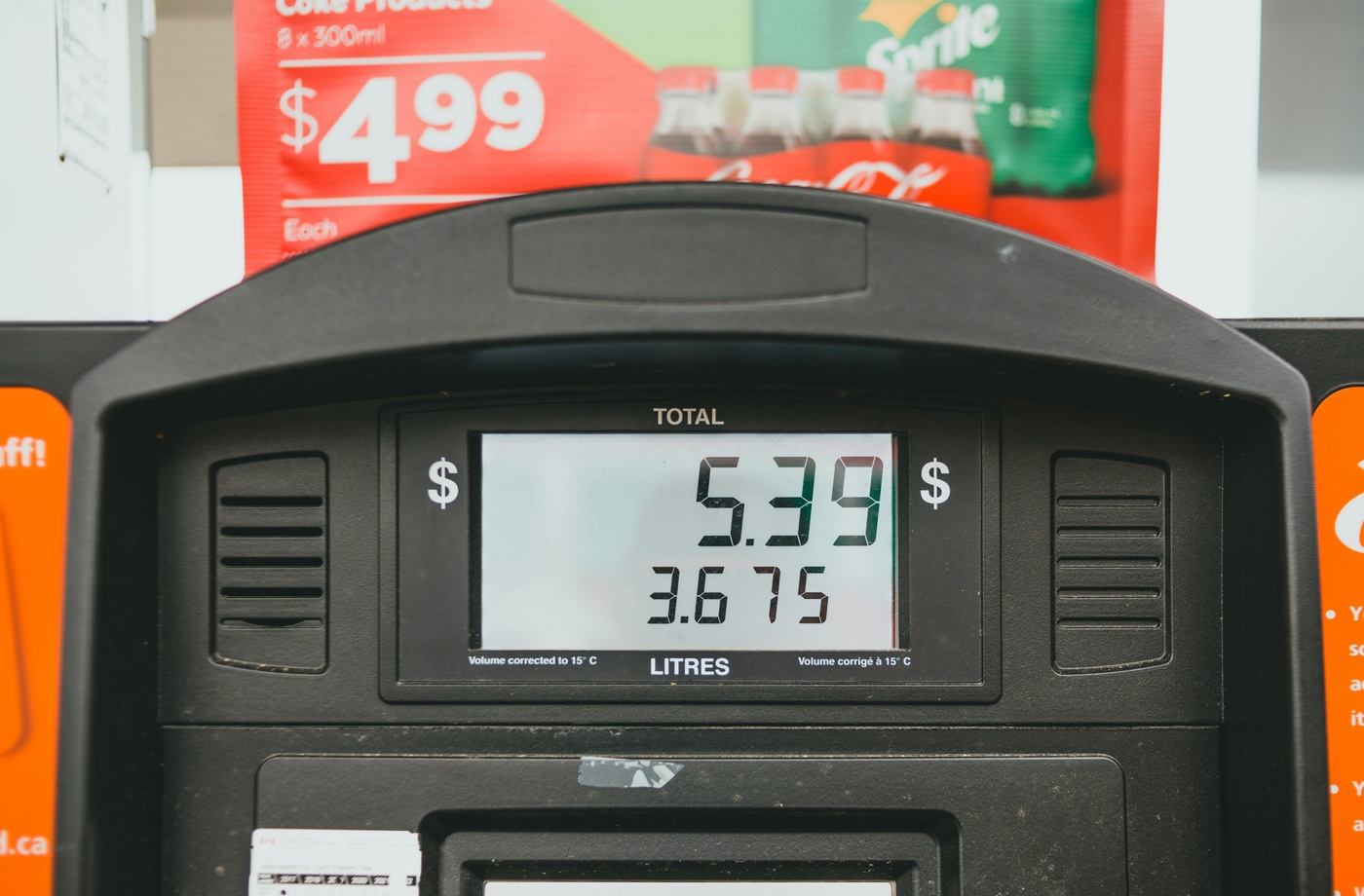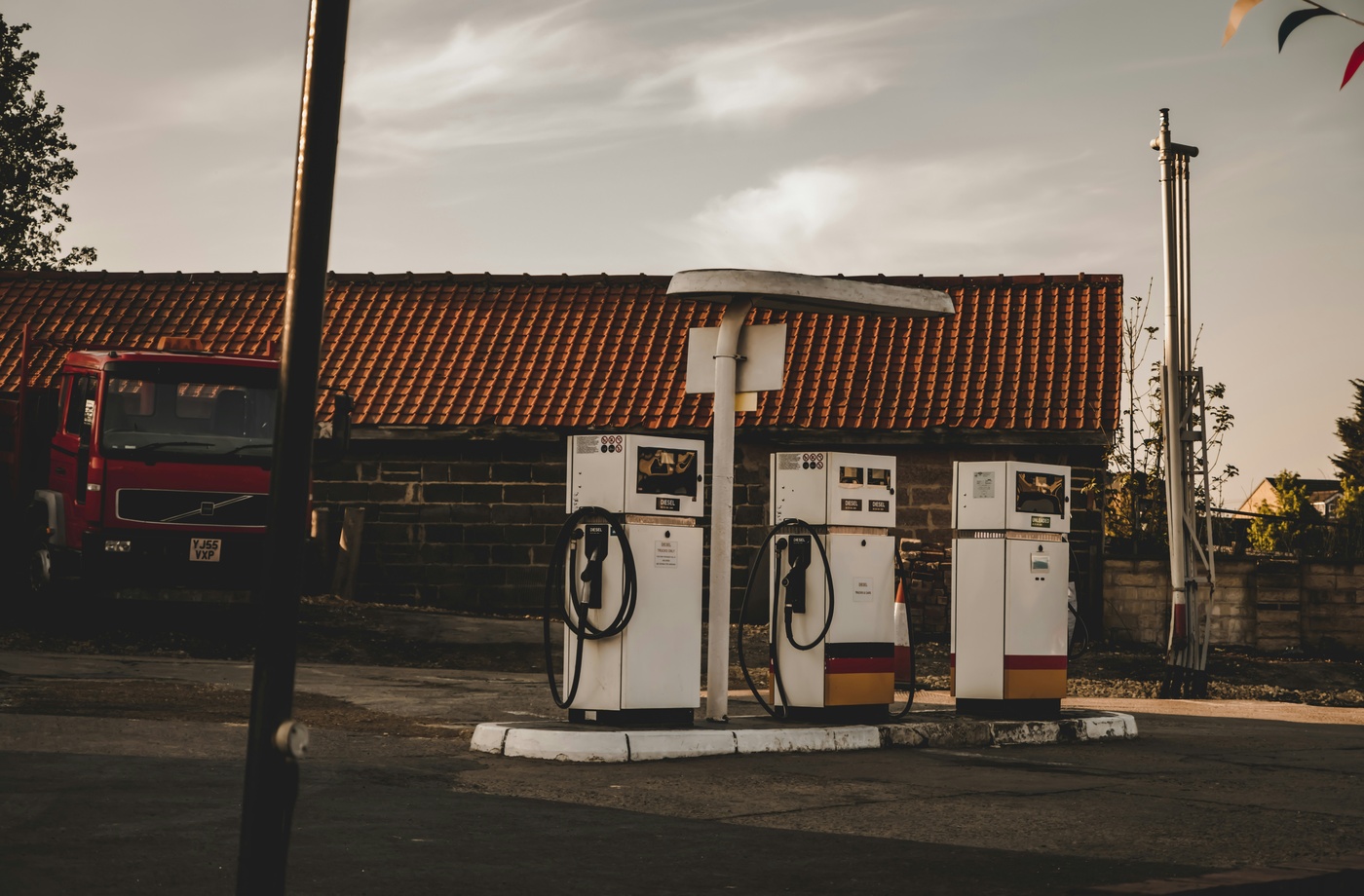

Gas prices are one of the most volatile parts of your monthly budget, often fluctuating due to global supply issues, seasonal shifts, and regional factors. For many, these changes can make it difficult to predict monthly fuel costs. Here’s a breakdown of how gas prices affect your budget and how you can manage your expenses more effectively.
How Gas Prices Are Determined
Gas prices are primarily influenced by the following factors:
- Crude Oil Prices: The most significant factor in gas pricing is the cost of crude oil, which makes up about 50% of the price of gas. When crude oil prices rise, gas prices typically follow suit.
- Supply and Demand: Seasonal demand, natural disasters, geopolitical issues, and refinery capacity all play a role in determining how much gasoline costs.
- Taxes: Federal, state, and local taxes contribute to the price of gas. Some states have higher gas taxes than others, which can lead to price differences even within the same region.
- Retailer Markups: Gas stations may increase their prices based on location and competition. Urban areas and stations near highways tend to have higher prices due to demand and limited competition.
Why Rising Gas Prices Affect Your Budget
Gas is often a necessary part of your daily expenses, especially for those who commute, travel for work, or live in suburban or rural areas with limited public transportation. When gas prices rise, they take up a larger portion of your monthly budget. Here’s how it impacts different types of budgets:
- Commuters: For people who drive daily to work or school, increasing gas prices can quickly add $20–$50 per month to your fuel costs.
- Families: If you’re running errands, attending extracurricular activities, or going on family road trips, gas costs can add up quickly.
- Long-Distance Travelers: Frequent travelers or business professionals who drive long distances can experience significant fluctuations in their monthly travel costs when gas prices increase.
How to Manage Fuel Costs
- Track Your Fuel Expenses
The first step in managing rising gas costs is tracking your monthly fuel usage. Keep a log of how much you spend on gas each week or month, and look for trends in pricing. Apps like Fuelly and GasBuddy can help you monitor fuel efficiency and find the best prices nearby.
- Use Fuel Price Comparison Apps
Apps like Waze, GasBuddy, and Gas Guru show real-time price comparisons at gas stations near you, helping you find the best prices and avoid overpaying. These apps will help you plan your fuel stops to minimize costs.
- Sign Up for Gas Station Rewards Programs
Gas stations like ExxonMobil Rewards+, Shell Fuel Rewards, and BPme Rewards offer loyalty programs where you can earn points or discounts every time you fill up. These points can help offset the rising price of gas.
- Use Cashback Apps to Buy Gas Gift Cards
One of the best ways to control fuel costs is to buy gas gift cards online through Fluz. Fluz lets you earn cashback on your purchases, which can be redeemed for future fuel purchases. This is a great way to lock in savings before gas prices go up. Simply buy a gift card for your preferred gas station, and use it whenever you fill up.
- Drive Smarter to Save Fuel
Adopting fuel-efficient driving habits can help you maximize each gallon of gas. Avoid quick acceleration, use cruise control, and keep your tires properly inflated to get the most miles out of every tank. Small changes can add up, saving you money over the long term.
- Consider a Hybrid or Electric Vehicle
If rising gas prices are putting a significant strain on your budget, consider switching to a hybrid or electric vehicle. These cars require less fuel or none at all, drastically reducing your gas expenses. While the initial investment may be higher, the long-term savings on fuel can be significant.
Final Thoughts
Gas prices can have a serious impact on your monthly budget, but there are steps you can take to mitigate these costs. By tracking fuel expenses, using price comparison apps, signing up for rewards programs, and utilizing cashback apps like Fluz, you can reduce the financial strain and keep your fuel costs in check. With a little planning and the right tools, you can navigate rising gas prices without breaking the bank.